
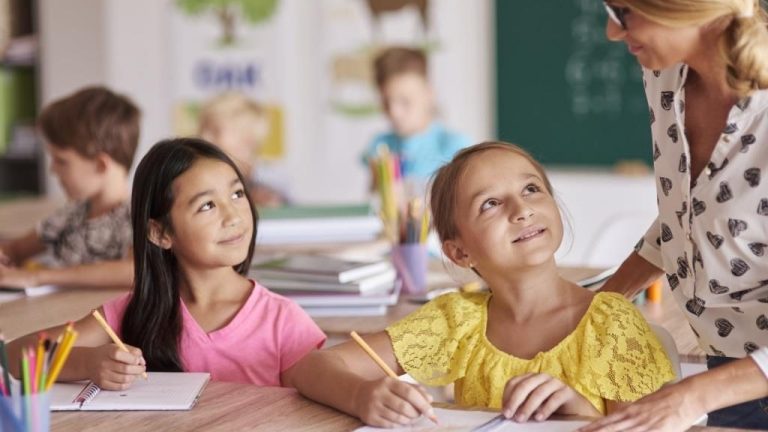
When I think back to my own school years, the teachers who stand out the most are not necessarily the ones who taught the most complex subjects. They are the ones who made me believe I could learn, improve, and succeed. Confidence and self-esteem don’t develop in isolation for students. They are shaped daily by classroom experiences, feedback, and relationships, and teachers play a central role in that process.
Academic knowledge is important, but without confidence, even capable students can struggle to participate, take risks, or reach their potential. In this article, I’ll explore how teachers influence student confidence and self-esteem, why it matters so deeply for learning, and what practical actions can make a lasting difference.
Understanding Student Confidence and Self-Esteem
Confidence and self-esteem are closely related, but they are not the same.
Student confidence refers to a learner’s belief in their ability to complete tasks, understand concepts, and improve through effort. Self-esteem is broader. It reflects how students feel about themselves overall, including their sense of worth and belonging.
In the classroom, these two elements are constantly interacting. A student who feels valued is more likely to try. A student who experiences small successes begins to believe in their abilities.
Why Confidence Matters in Learning
Confidence is not just an emotional benefit. It has a direct impact on academic performance and behavior.
Confident students are more likely to:
- Participate in class discussions
- Ask questions without fear
- Attempt challenging tasks
- Recover from mistakes
- Engage consistently with learning
On the other hand, students with low confidence may avoid tasks, stay silent even when they know the answers, or give up quickly. I’ve seen capable students underperform simply because they doubted themselves.
Teachers as Emotional Role Models
Teachers influence student confidence not only through instruction, but through daily interactions.
The Power of Teacher Attitudes
Students are highly sensitive to tone, body language, and expectations. A teacher’s belief in a student often becomes the student’s belief in themselves.
When teachers show:
- Patience
- Respect
- Genuine interest
Students feel safer and more valued.
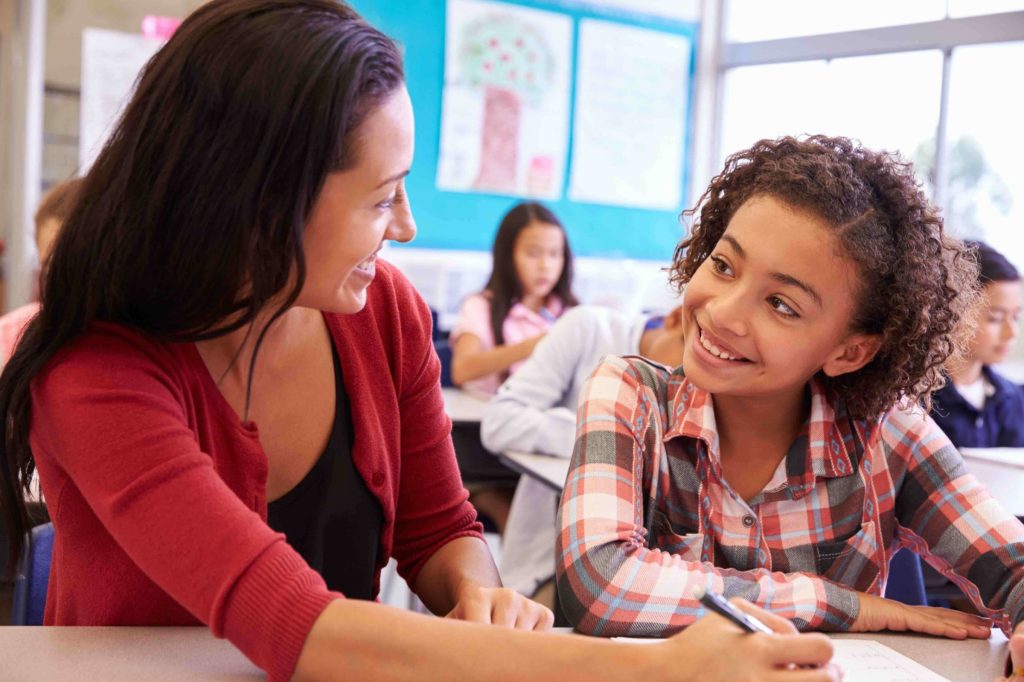
Consistency Builds Trust
Consistency in behavior and expectations helps students feel secure. When students know what to expect, anxiety decreases, and confidence grows.
Creating a Classroom Environment That Feels Safe
Confidence cannot grow in an environment where students fear embarrassment or judgment.
Psychological Safety in the Classroom
A psychologically safe classroom allows students to:
- Make mistakes without ridicule
- Share ideas freely
- Learn from errors
Teachers can promote safety by normalizing mistakes and treating them as part of the learning process.
Encouraging Respectful Peer Interactions
Teachers set the tone for how students treat one another. Clear expectations around respect, listening, and empathy reduce fear and increase participation.
The Role of Positive and Constructive Feedback
Feedback is one of the most powerful tools teachers have.
How Feedback Shapes Self-Perception
Feedback that focuses only on errors can damage confidence. Feedback that recognizes effort, strategy, and improvement supports growth.
Effective feedback:
- Is specific
- Focuses on actions, not personal traits
- Offers guidance for improvement
Instead of saying “This is wrong,” a confidence-building approach explains what worked and what can be improved.
Encouraging Effort Over Perfection
Perfectionism is a major barrier to confidence.
Shifting the Focus From Results to Process
When success is defined only by grades, students may fear failure. Teachers can reduce this fear by valuing effort, persistence, and learning strategies.
Acknowledging effort helps students understand that ability is not fixed and that improvement is possible.
Celebrating Small Wins
Small achievements matter. Recognizing progress, even when goals aren’t fully met, reinforces confidence and motivation.
Giving Students a Voice in the Classroom
Student confidence increases when they feel heard and respected.
Why Student Voice Matters
When students can express opinions, ask questions, and contribute ideas, they develop a sense of ownership over learning.
Ways teachers can encourage student voice include:
- Open-ended discussions
- Student-led activities
- Choice in topics or formats
Feeling heard strengthens self-worth.
Supporting Struggling Students Without Labeling Them
How teachers respond to struggle significantly affects self-esteem.
Avoiding Harmful Labels
Labels like “weak,” “slow,” or “behind” can become internalized. Even subtle language can shape how students view themselves.
Teachers can instead frame struggle as temporary and solvable.
Offering Support Privately
Correcting or supporting students privately rather than publicly helps protect dignity and confidence.
The Impact of High Expectations
Belief in students’ abilities is contagious.
Setting High but Realistic Expectations
When teachers communicate high expectations along with support, students are more likely to rise to the challenge.
Low expectations, even when unintentional, can limit growth.
Communicating Belief Through Actions
Simple actions like challenging students appropriately, asking thoughtful questions, and encouraging perseverance signal trust in their abilities.
Helping Students Develop Self-Confidence Through Responsibility
Responsibility builds confidence by showing students they are capable.
Teachers can:
- Assign leadership roles
- Encourage peer mentoring
- Allow students to help set classroom norms
Responsibility reinforces the message that students are trusted and competent.
The Connection Between Confidence and Authentic Learning
Confidence grows faster when learning feels meaningful rather than mechanical.
Educational approaches that emphasize relevance, critical thinking, and real-world application, similar to those promoted by the Center for AIW, highlight how authentic learning experiences help students see themselves as capable thinkers rather than passive recipients of information.
When students understand the purpose behind learning, confidence becomes more natural and durable.
Teacher Language and Its Lasting Impact
The words teachers use often stay with students long after lessons end.
Encouraging Language That Builds Confidence
Simple phrases can have lasting effects:
- You’re improving
- That was a good strategy
- I can see your effort
These messages reinforce belief in growth.
Avoiding Language That Discourages
Sarcasm, comparisons, or dismissive comments can quietly erode self-esteem. Awareness of language choices is essential.
Supporting Confidence Beyond Academics
Confidence isn’t limited to academic performance.
Teachers influence:
- Social confidence
- Communication skills
- Emotional resilience
Encouraging teamwork, empathy, and self-reflection supports holistic development.
Collaboration Between Teachers and Parents
Confidence-building works best when students receive consistent messages.
Open communication with parents helps reinforce:
- Positive behaviors
- Effort-based praise
- Growth-oriented thinking
Consistency across environments strengthens self-esteem.
Quick Answers to Popular Questions
1. Why is teacher support important for student confidence
Teachers interact with students daily, making their feedback and attitudes highly influential in shaping self-belief.
2. Can confidence be taught or developed
Yes. Confidence grows through positive experiences, encouragement, and opportunities to succeed.
3. How can teachers help shy or quiet students
By creating safe spaces, encouraging participation gently, and recognizing effort rather than volume.
4. Does academic success always build confidence
Not always. Without supportive feedback, even high-performing students may struggle with self-esteem.
5. How do mistakes affect student confidence
Mistakes can either damage or strengthen confidence, depending on how teachers respond to them.
6. Can one teacher really make a difference
Yes. Many students can identify a single teacher who significantly influenced their confidence and self-worth.
Closing Thoughts
Teachers do far more than deliver content. They shape how students see themselves as learners and as individuals. Confidence and self-esteem are built through everyday moments, thoughtful feedback, and genuine belief in student potential.
From my experience, when teachers focus on creating supportive environments, valuing effort, and treating students with respect, confidence grows naturally. That confidence doesn’t just improve academic outcomes. It empowers students to take risks, face challenges, and believe in their ability to grow.
In the long run, one of the greatest lessons a teacher can give is not just knowledge, but the confidence to keep learning.
