
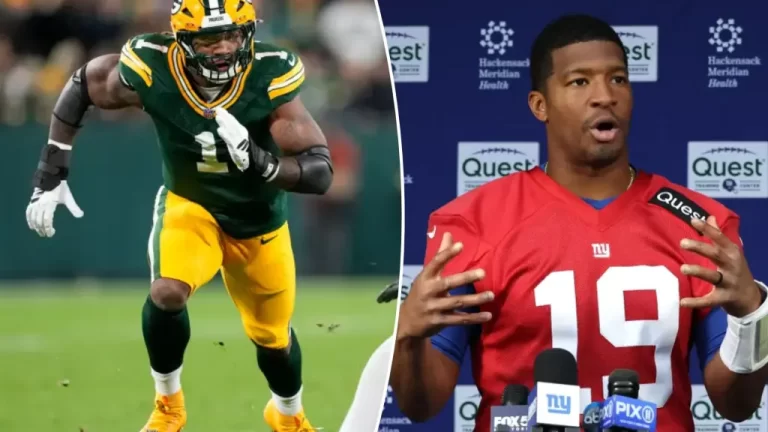
The Week 11 matchup between the Green Bay Packers and the New York Giants was a clash of strategic execution, standout individual performances, and high-stakes football. Fans and analysts alike were eager to see how quarterbacks Jordan Love and Jameis Winston performed, along with the contributions from the top offensive and defensive players on both sides. This article provides a detailed statistical breakdown and performance analysis, highlighting key moments and top performers who shaped the outcome of the game.
Game Overview
The Packers secured a hard-fought victory in Week 11, despite the Giants accumulating more total yardage. Green Bay’s ability to convert critical plays, particularly in third-down situations and red-zone opportunities, played a decisive role. The Giants demonstrated offensive potential but struggled to capitalize on key scoring chances.
By analyzing player stats, we can identify not only who excelled individually but also which team executed the game plan most effectively.
Passing Leaders and Quarterback Insights
Green Bay Packers: Jordan Love
Packers quarterback Jordan Love completed 13 of 24 passes for 174 yards and two touchdowns, showing poise and accuracy under pressure. Love’s performance was particularly effective in:
- Third-down conversions to sustain drives
- Red-zone passing efficiency
- Targeting key receivers in high-leverage moments
While the yardage totals were moderate, Love’s ability to maintain composure and minimize turnovers made a significant impact on the final score.
New York Giants: Jameis Winston
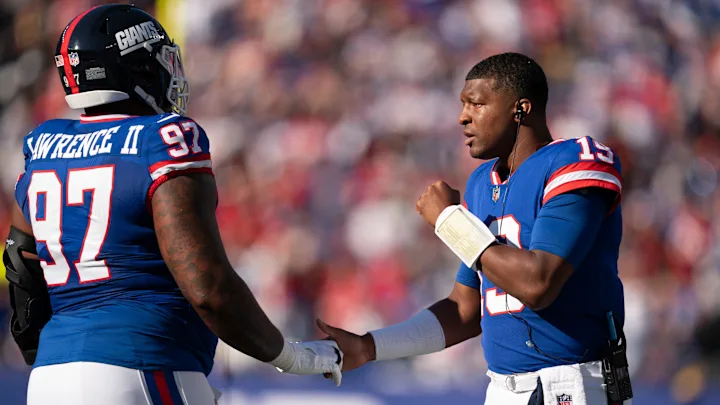
Giants quarterback Jameis Winston threw 19 completions on 29 attempts for 201 yards, adding a rushing touchdown. Winston effectively distributed the ball across multiple targets and challenged the Packers’ defensive backfield.
However, a critical interception late in the fourth quarter underscored the importance of situational awareness. Turnovers ultimately limited the Giants’ ability to capitalize on their total yardage.
Key Receiving Performers
Packers
Christian Watson stood out with 5 receptions for 64 yards and two touchdowns, including a clutch fourth-quarter score. Watson’s speed and yards-after-catch ability made him a constant threat. Other supporting receivers consistently moved the chains, creating spacing and keeping the Giants’ defense off balance.
Giants
Isaiah Hodgins (5 receptions for 57 yards) and Wan’Dale Robinson (4 receptions for 36 yards) contributed to the passing game but were unable to convert opportunities into touchdowns. The Giants’ receiving corps showed promise but was limited by Green Bay’s defensive coverage in key moments.
Rushing Leaders and Ground Game Analysis
Packers Running Backs
Green Bay effectively balanced the run and pass:
- Aaron Jones: 89 rushing yards on 19 carries, providing consistency and controlling the tempo of the game
- Emmanuel Wilson: 40 yards and a touchdown, adding versatility and short-yardage efficiency
This rushing balance helped the Packers maintain clock control and prevented the Giants from focusing solely on pass defense.
Giants Running Backs
New York’s rushing attack featured:
- Tyrone Tracy Jr., moving the chains with key gains
- Devin Singletary: two rushing touchdowns, providing goal-line efficiency
Although the Giants gained yardage, the lack of complementary passing efficiency reduced the impact of their ground game.
Defensive Standouts
Packers Defense
Green Bay’s defense played a pivotal role:
- Safety Evan Williams recorded a critical fourth-quarter interception
- Defensive line pressure forced hurried throws, disrupting Winston’s timing
- Cornerbacks limited deep passing plays, containing explosive threats
These high-leverage plays proved more impactful than total yardage allowed and contributed directly to the win.
Giants Defense
New York’s defense showed flashes of brilliance:
- The front seven applied intermittent pressure to Jordan Love
- Secondary coverage occasionally limited completions
However, the Giants struggled to consistently force turnovers or prevent scoring in key situations, which ultimately affected their chance of victory.
Total Yardage and Efficiency Metrics
- Packers: 296 total yards
- Giants: 336 total yards
Although the Giants outgained the Packers, Green Bay’s efficiency in converting third downs and red-zone opportunities was decisive. This game highlights how situational execution often outweighs raw yardage statistics.
Third-Down & Red-Zone Performance
- Packers converted a higher percentage of third downs
- Green Bay excelled in red-zone scoring opportunities, while the Giants struggled to finish drives with touchdowns
Efficiency in these key situations was critical for determining the outcome.
Turnovers and Game Momentum
- Packers forced one turnover
- Giants committed a late fourth-quarter interception
Turnovers shifted momentum at critical moments, underlining the importance of protecting the ball in close contests.
Special Teams Impact
Special teams contributed to field position control and overall game strategy:
- Packers coverage minimized return yardage, limiting Giants starting field position
- Field goals and extra points were executed efficiently by both teams
- Strategic punting helped the Packers control possession and game tempo
Special teams, while often overlooked, played a subtle but significant role in the game’s outcome.
Top Performers and Player Impact
Packers
- Christian Watson: High-value target with two touchdowns
- Aaron Jones: Rushing consistency and drive control
- Evan Williams: Critical interception and defensive leadership
For a full view of how every player contributed to Green Bay’s success, you can check the full Week 11 Packers vs Giants stats. This resource provides passing, rushing, and defensive stats for all key contributors, highlighting the players who made the most impact.
Giants
- Devin Singletary: Effective goal-line runner
- Jameis Winston: Distributed yardage effectively but turnovers limited impact
Game-Changing Moments
- Watson’s fourth-quarter touchdown
- Evan Williams’ interception securing the win
- Green Bay’s critical third-down conversions late in the fourth quarter
- Winston’s interception in the final minutes
These moments shaped the outcome and emphasized the impact of individual contributions.
Fantasy Football Takeaways
- Christian Watson: Scoring efficiency makes him a top fantasy asset
- Aaron Jones: Reliable RB performance for points per game consistency
- Devin Singletary: Goal-line threat adds value in PPR leagues
- Jordan Love: Consistent QB option for mid-tier managers
- Jameis Winston: Yardage production is promising but risky due to turnovers
High-leverage plays, rather than just total yardage, had the most influence on fantasy outcomes for Week 11.
Season Implications
Packers
The victory bolsters Green Bay’s playoff positioning, highlighting:
- Balanced offensive approach
- Situational efficiency
- Defensive reliability in key moments
Giants
The loss emphasizes the need for:
- Better red-zone conversion
- Consistent defensive execution
- Turnover management
Despite statistical yardage advantages, the Giants were unable to translate performance into wins due to situational inefficiencies.
Conclusion
The Week 11 matchup between the Packers and Giants illustrated how player performance in passing, rushing, and defense can define NFL outcomes. Efficiency, situational execution, and high-leverage plays outweighed total yardage, showcasing the true impact of individual contributors like Christian Watson, Aaron Jones, and Evan Williams.
Fans looking to dive deeper into every statistic and contribution can analyze the game further using detailed team and player reports from trusted sources.
