

Strong experimental work begins with disciplined peptide selection. Tesamorelin research benefits from defined objectives, controlled handling, and reliable documentation. For teams seeking research materials, shop tesamorelin at AZOTH can support a focused sourcing process. The real advantage comes from connecting material quality with study design. Clear endpoints, consistent storage, and traceable records help researchers interpret findings with greater confidence.
Define Research Goals Before Material Selection
A useful study starts with a precise question. Researchers should establish the biological endpoint before sourcing material. That decision shapes concentration ranges, controls, timing, and analytical methods.
- Set measurable experimental endpoints first.
- Establish appropriate control groups.
- Record every handling condition carefully.
- Separate exploratory work from confirmatory testing.
Clear objectives prevent material choices from driving conclusions.
What Makes Experimental Material Useful?
Research value depends on more than product availability. Documentation, identity, purity information, and batch traceability strengthen experimental interpretation. Researchers can shop tesamorelin at AZOTH while keeping sourcing decisions aligned with documented study requirements.
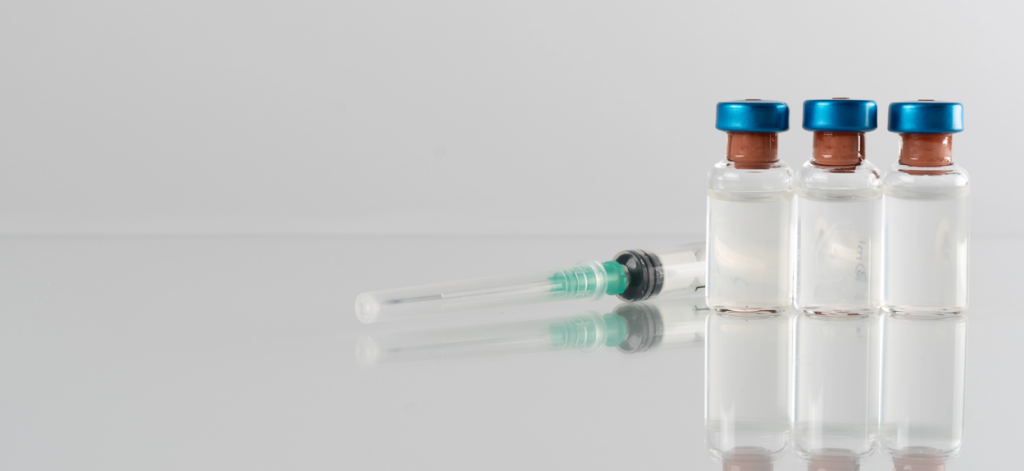
A defined batch record also helps investigators compare repeated experiments. That consistency matters when small methodological differences could influence measured outcomes.
Consistent Handling Protects Study Integrity
Peptide research requires controlled handling from receipt onward. Storage conditions should follow applicable documentation and laboratory protocols. Researchers can assign batch identifiers, log preparation dates, and record deviations.
Such records create an experimental trail. If an unexpected result emerges, investigators can examine handling history rather than relying on memory.
Which Controls Strengthen Peptide Experiments?
Strong controls help distinguish biological effects from experimental noise. Study design should account for baseline measurements, vehicle conditions, and procedural variation.
- Include suitable negative controls.
- Keep preparation methods consistent.
- Repeat key measurements across runs.
- Document deviations before interpreting results.
Controls become especially valuable when results differ between batches or experimental days.
Analytical Discipline Makes Results Comparable
Reliable interpretation depends on consistent measurement practices. Researchers should define assay conditions before collecting major datasets. Calibration records, instrument settings, and sample identifiers deserve careful attention.
For example, comparing two batches becomes more meaningful when preparation and measurement conditions remain stable. Statistical analysis then reflects experimental differences rather than preventable procedural variation.
A Stronger Research Record Starts Early
Tesamorelin studies gain value when sourcing, handling, and measurement remain connected. A simple batch identifier can link material records with assay results months later. That small administrative detail can become crucial evidence when researchers revisit an unexpected finding. Good documentation therefore serves as experimental infrastructure, not clerical overhead.
FAQs
What should researchers document first?
Batch identity, storage conditions, preparation details, controls, and study endpoints should receive early documentation. Consistent records make later comparisons more defensible.
Why does batch traceability matter?
Traceability connects experimental observations with specific material records. Researchers can investigate unexpected variation without reconstructing sourcing details from memory.
How can controls improve peptide research?
Controls help separate experimental effects from background variation. Appropriate negative and procedural controls can reveal whether observed changes reflect the tested condition.
What supports reproducible results?
Defined procedures, stable handling conditions, calibrated measurement systems, and complete records support reproducibility. Repeated experiments become more informative when those factors remain consistent.
