
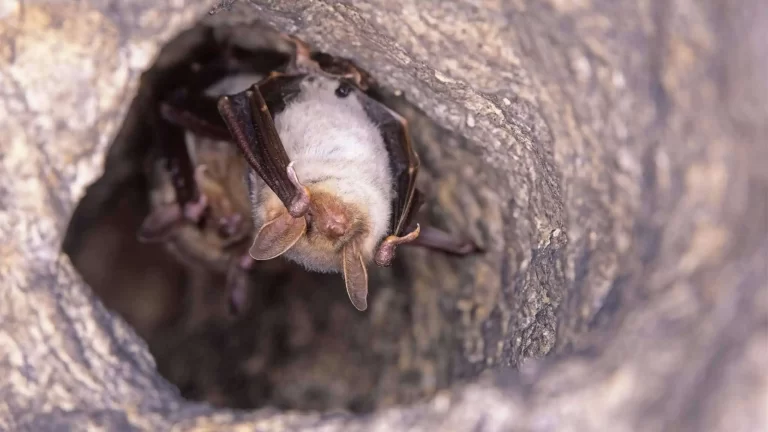
Sudden danger from animals can arise without warning and push people into fear. Wildlife removal stands as a fast protective response that focuses on safety first. Trained teams study behavior patterns and choose calm control methods that lower risk for families. Strong preparation keeps homes guarded while trained responders manage threats with steady judgment, supported by animal removal services in San Antonio that prioritize humane care and dependable protection.
Rapid Threat Assessment Process
When aggressive creatures are reported, professionals move with controlled urgency. Early observation helps teams judge distance movement, and warning signals. This stage protects people while shaping the safest capture plan. Wildlife specialists rely on quiet positioning to reduce provocation and prevent sudden escalation.
Protective Equipment And Barriers
Safety gear shields workers while reducing stress on trapped animals. Thick gloves, face guards, and layered clothing prevent injury during close contact. Portable barriers create space that protects families from sudden lunges. Teams position shields with care to guide movement toward safe zones, a standard followed by animal removal services in San Antonio to ensure calm, humane outcomes.
Humane Capture Control Methods
Special capture tools are selected based on size, speed, and behavior. Quiet nets secure movement without causing pain or panic. Traps are placed with precision so escape routes are narrow and safe. Chemical restraint is avoided unless absolutely necessary under strict rules. Wildlife control depends on patience because rushed actions increase danger.
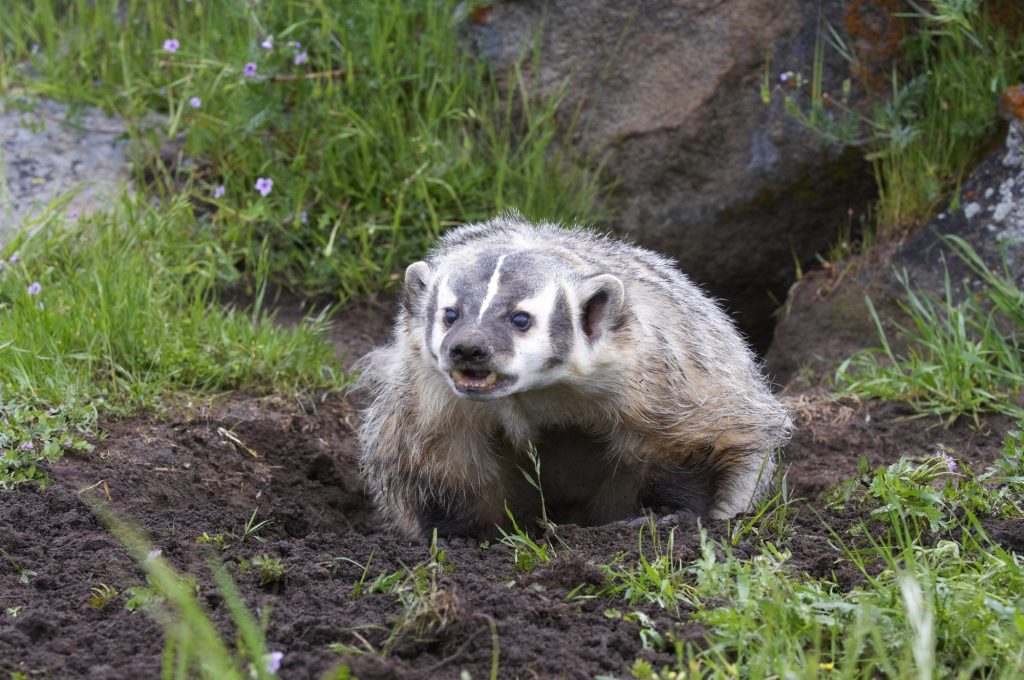
Communication During Crisis Response
Clear direction prevents chaos when fear spreads through households. Teams speak in short, simple phrases that guide people away from danger. Coordinated signals allow partners to move without confusion. Wildlife responders maintain eye contact to show confidence and reduce panic. Steady communication stabilizes the situation while capture unfolds.
- Calm speech guides families toward a secure indoor shelter during an active threat
- Hand signals replace shouting, so tension does not rise further
- Short instructions help occupants react quickly without confused hesitation
- Reassuring tone lowers fear while professionals maintain careful control
- Coordinated cues keep every responder aligned during high-pressure moments
Post Incident Safety Reinforcement
After removal teams inspect entry points and hidden gaps. Structural weaknesses are sealed to block repeated intrusion. Guidance is shared about waste storage and lighting adjustments. Wildlife risks fall when the surroundings no longer attract territorial animals. Follow-up monitoring confirms stability and restores confidence.
Fear-driven encounters with aggressive creatures demand structured action and disciplined thinking. The safest path combines preparation, controlled capture, and clear household direction. Strength grows from awareness, steady habits, and reinforced boundaries. When homes adopt protective measures, future incidents decline, and families regain calm with confidence.